Mushroom Model Publications' Austro-Italian Naval
War 1866
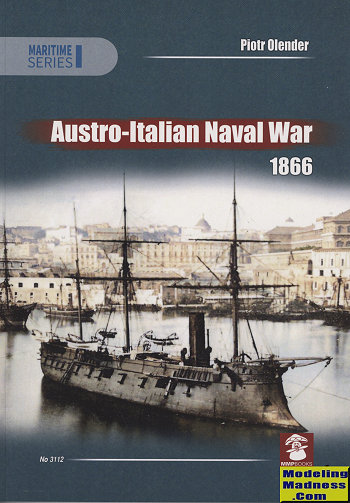 The middle of
the 19th century was a time of fairly dramatic change when it came to the navies
of the world. This was a transition from the standard sail powered ship of the
line to steam power. In addition, there was the addition of iron-clad ships to
this mix. Initially both changes were little more than add-ons to what had come
before as truly all iron/steel ships were just in their infancy.
The middle of
the 19th century was a time of fairly dramatic change when it came to the navies
of the world. This was a transition from the standard sail powered ship of the
line to steam power. In addition, there was the addition of iron-clad ships to
this mix. Initially both changes were little more than add-ons to what had come
before as truly all iron/steel ships were just in their infancy.
The first actual use of ocean going steam
powered iron-clad ships was in the brief war between Austria and Italy in the
year after the end of the American Civil War. While it is true that there were
battles between iron-clad steam ships during that conflict, these ships were not
true ocean-going ships but part of on-going riverine warfare between the two
sides.
Moving to steam power was a major change
in philosophy. While the steam engine was faster and more powerful than just
using sail, it required a rather conspicuous amount of fuel and this fuel was
coal. As some of you know, there are various grades of coal with the higher
grade providing the greatest range per unit measure. The lower grades worked,
but tended to provide less efficiency and also left a lot more residue. This
meant that ocean-going navies had to stockpile coal at various locations around
the world or bring what are basically coal cargo ships with them.
In addition, iron-clad ships were just
that, regular wooden ships with a sheath of iron/steel. This was generally good
enough for the initial round ball guns and ammunition, but the advance of
breech-loading guns with armor piercing shells meant that more armor had to be
added or the ships needed to be built entirely of steel. The inability of most
guns to penetrate the iron cladding brought back a form of naval warfare that
had not been around for centuries, and that was ramming. Hence the trend of
installing rams on new build ships, a trait that lasted into the First World
War. That is why many of the ships of the time did not have a clipper bow.
This book covers not only the changes in
naval warfare of the time, but also the development of the then-modern warship
and armament. It also gives a detailed examination of the battles of this
short-lived war, the ships that participated, the tactics of both sides and the
results of the conflict. The book has a lot of period photographs, maps and
drawings of the ships that participated. In all a fascinating look at this time
in naval history and one I know you will enjoy reading.
October 2025
Copyright
ModelingMadness.com. All rights reserved. No reproduction in any form without
express permission from the editor.
Thanks to Casemate Publishers where you can get this
book
at this link.
If you would like your product reviewed fairly and quickly, please
contact
the editor or see other details in the
Note to
Contributors.